Today’s organizations operate in a world where speed, efficiency, and customer experience determine success. Whether serving citizens, customers, employees, or business partners, expectations have changed dramatically. People expect faster services, digital convenience, real-time information, and seamless interactions across every touchpoint.
At the same time, organizations face growing operational challenges. Manual processes, disconnected systems, paper-based workflows, and fragmented data continue to slow productivity, increase costs, and limit visibility into critical business operations.
This is why digital transformation has become one of the most important strategic priorities for organizations across the Philippines.
Digital transformation is no longer about simply adopting new technologies. It is about fundamentally improving how organizations operate, deliver services, make decisions, and create value through the intelligent use of technology.
Organizations that embrace digital transformation today are better positioned to improve efficiency, strengthen competitiveness, deliver exceptional customer experiences, and adapt to the rapidly evolving digital economy.
What Is Digital Transformation?
Digital transformation is the process of integrating digital technologies into every aspect of an organization’s operations to improve efficiency, decision-making, collaboration, and service delivery.
It extends far beyond purchasing new software or replacing outdated hardware.
True digital transformation involves rethinking business processes, empowering employees with better tools, connecting information across departments, and creating a culture that continuously embraces innovation.
Instead of isolated technologies operating independently, digital transformation creates an integrated ecosystem where people, processes, and technology work together.
For example, rather than managing HR records, procurement requests, customer queues, and document approvals separately, organizations can connect these processes into a unified digital environment that enables faster decisions, greater transparency, and better operational control.
Why Digital Transformation Matters More Than Ever
Several trends are accelerating the need for digital transformation across both the public and private sectors.
Increasing Customer Expectations
Today’s customers expect services that are convenient, fast, transparent, and available whenever they need them. Long waiting times, paper forms, and manual approvals are increasingly viewed as barriers rather than standard practice.
Organizations that modernize their service delivery create better experiences while improving operational efficiency.
Rapid Growth of Artificial Intelligence
Digital transformation establishes the foundation necessary for successful AI adoption.
However, AI performs best when supported by accurate, well-organized, and connected digital data. Organizations still relying on fragmented manual processes often struggle to realize AI’s full potential.
Artificial Intelligence is transforming how organizations analyze information, automate repetitive tasks, support decision-making, and improve customer engagement.
Demand for Operational Efficiency
Leaders are expected to accomplish more with limited resources.
Digital systems reduce repetitive work, eliminate duplicate data entry, automate approvals, minimize errors, and provide real-time visibility into operations.
These improvements enable employees to focus on higher-value activities instead of administrative tasks.
Government Digitalization Initiatives
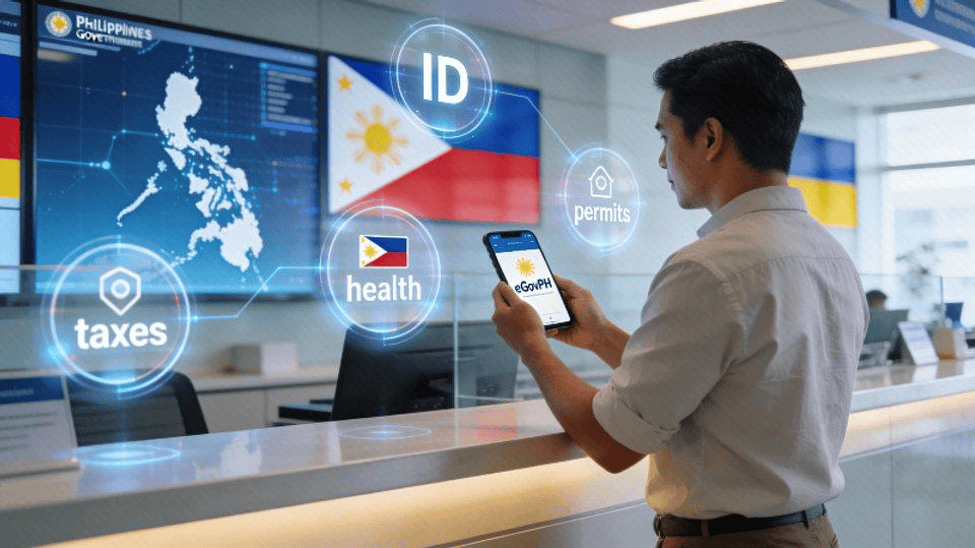
Across the Philippines, government agencies continue to modernize public services through digital initiatives that promote transparency, accountability, efficiency, and citizen-centered service delivery.
Digital transformation supports these objectives by streamlining workflows, improving data management, and enabling better service experiences for citizens.
Benefits of Digital Transformation
Organizations that successfully implement digital transformation often experience measurable improvements across multiple areas.
Improved Operational Efficiency
Automation reduces manual work, accelerates business processes, and improves productivity across departments.
Better Decision-Making
Integrated systems provide leaders with real-time information and comprehensive reporting that supports faster, more informed decisions.
Enhanced Customer Experience
Digital services reduce waiting times, simplify transactions, and provide customers with faster, more convenient interactions.
Increased Transparency
Organizations gain better visibility into workflows, approvals, procurement activities, employee information, and customer service performance.
Stronger Collaboration
Connected digital platforms allow departments to share information seamlessly, reducing communication gaps and improving teamwork.
Greater Business Agility
Digital organizations can respond more quickly to changing customer expectations, market conditions, and regulatory requirements.
Common Challenges Organizations Face
Many organizations recognize the importance of digital transformation but struggle with similar operational challenges.
- Manual paper-based processes
- Multiple disconnected software systems
- Duplicate data entry
- Limited reporting capabilities
- Long approval cycles
- Lack of operational visibility
- Poor customer experience
- Human errors caused by manual processing
- Difficulty accessing accurate information
These challenges not only reduce productivity but also affect customer satisfaction and organizational performance.
Technologies Driving Digital Transformation
Digital transformation is supported by a combination of integrated technologies designed to improve different aspects of organizational operations.
Examples include:
- Human Resource Information Systems (HRIS)
- Queue Management Systems
- Government Procurement Management Systems
- Document Tracking Systems
- Customer Feedback Management Platforms
- Enterprise Infrastructure Solutions
- Systems Integration Platforms
- Artificial Intelligence
- Business Intelligence Dashboards
- Cloud Computing
- Cybersecurity Solutions
The greatest value is achieved when these technologies work together rather than operating independently.
Digital Transformation Across Different Industries
Government
Government agencies use digital transformation to improve public service delivery, increase transparency, automate internal workflows, and strengthen operational accountability.
Healthcare
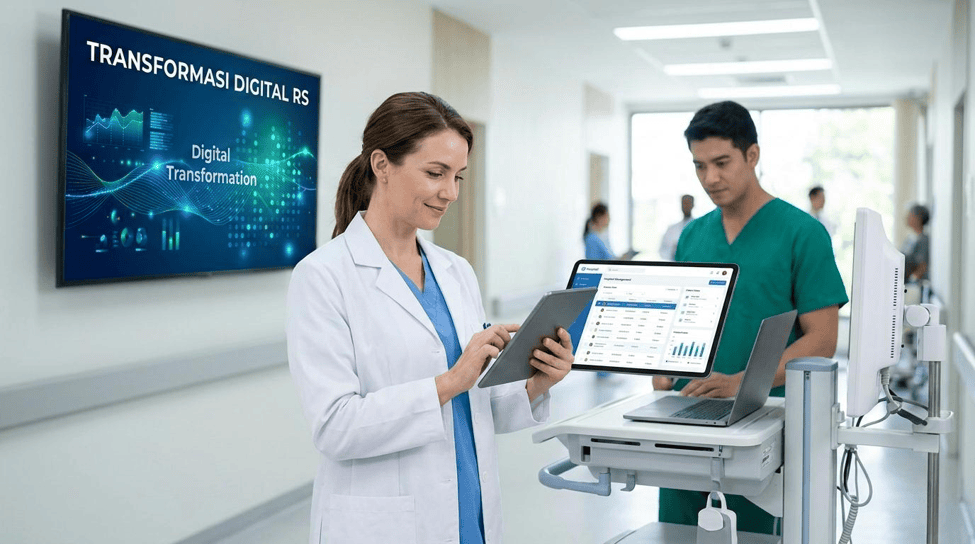
Hospitals and clinics leverage digital technologies to improve patient experiences, optimize scheduling, manage records, and streamline administrative processes.
Education
Educational institutions modernize enrollment, student services, classroom collaboration, administrative operations, and learning experiences through digital platforms.
Banking and Financial Services
Financial institutions use digital transformation to improve customer engagement, strengthen security, automate processes, and enhance operational efficiency.
Building a Successful Digital Transformation Strategy
Successful digital transformation begins with understanding current operational challenges before selecting technology solutions.
A practical roadmap includes:
- Assess current processes and identify inefficiencies.
- Define clear business objectives.
- Prioritize high-impact digital initiatives.
- Integrate systems to eliminate information silos.
- Train employees and encourage adoption.
- Continuously monitor, evaluate, and improve performance.
Technology alone does not create transformation. Success depends on aligning people, processes, and technology toward common organizational goals.
Why the Right Technology Partner Matters
Digital transformation is a long-term journey rather than a one-time project.
Selecting the right technology partner ensures that solutions align with organizational objectives, integrate effectively with existing systems, and continue to support future growth.
An experienced partner provides strategic guidance, technical expertise, implementation support, user training, and long-term maintenance to help organizations maximize their technology investments.
Frequently Asked Questions
What is digital transformation?
Digital transformation is the integration of digital technologies into organizational processes to improve efficiency, collaboration, decision-making, and customer experience.
Why is digital transformation important?
It enables organizations to operate more efficiently, reduce costs, improve service delivery, enhance transparency, and remain competitive in an increasingly digital economy.
Is digital transformation only for large enterprises?
No. Organizations of all sizes including SMEs, schools, healthcare providers, and government agencies can benefit from digital transformation initiatives tailored to their needs.
What technologies are commonly used?
Common technologies include HRIS, queue management systems, document tracking, procurement systems, business intelligence, AI, cloud computing, cybersecurity, and systems integration platforms.
How long does digital transformation take?
Digital transformation is an ongoing journey. Organizations typically implement improvements in phases based on priorities, resources, and business objectives.
Conclusion
Digital transformation has become one of the defining priorities for organizations seeking to improve efficiency, strengthen competitiveness, and deliver better experiences for customers, employees, and citizens.
Organizations that continue relying on disconnected systems and manual processes risk falling behind in an increasingly digital world.
By embracing integrated technologies, automating critical workflows, and building a culture of continuous innovation, organizations can create smarter operations, improve decision-making, and prepare for future growth.
The journey toward digital transformation begins with a clear strategy and the right technology partner to turn that vision into measurable results.
Ready to Accelerate Your Digital Transformation Journey?
Whether you’re modernizing your workforce, improving customer service, streamlining procurement, or upgrading your technology infrastructure, Cosmotech Philippines, Inc. delivers integrated digital solutions tailored to the needs of Philippine businesses and government agencies.
Explore our solutions or talk to our technology consultants to discover how digital transformation can create measurable value for your organization.
👉 Talk to our team: https://cosmotech.com.ph/talk-to-our-team